


Can Wallpaper Make an Older Home Feel Modern Without Losing Character?
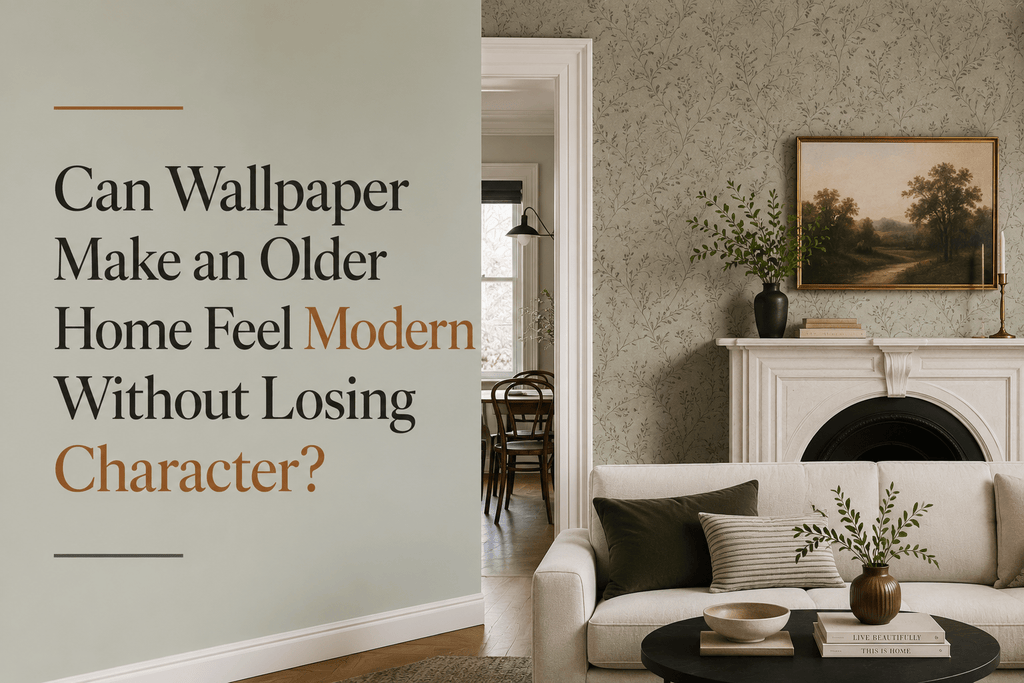
Older homes have something new construction often struggles to recreate: character.
Original trim, detailed moldings, unusual room proportions, hardwood floors, fireplaces, paneled doors, and handcrafted architectural details can give a home a personality that feels impossible to replicate. But living in an older home doesn't mean you have to preserve every element exactly as it was decades ago.
The challenge is finding the balance between preserving character and creating a home that feels current.
Wallpaper can be one of the most effective ways to achieve that balance.
Instead of removing original details or covering them with overly contemporary finishes, the right wallpaper can work alongside existing architecture. A refined embossed texture can make traditional molding feel more sophisticated. A modern organic pattern can refresh a dated room without making it feel disconnected from the rest of the house.
At AdaWall, we believe modernizing an older home isn't about making it look brand new. It's about helping its best qualities feel relevant again.
Why Older Homes Can Be Difficult to Modernize
Renovating an older home often involves a delicate design decision.
You want the space to feel fresh, but you don't want it to lose the details that make it special.
Older properties may feature:
- Original hardwood flooring
- Decorative crown molding
- Traditional fireplaces
- Wainscoting
- Wood paneling
- Arched doorways
- Detailed window trim
- High ceilings
- Built-in cabinetry
- Historic architectural proportions
These elements create visual identity.
If everything is replaced with ultra-modern materials, the result can sometimes feel generic rather than updated.
Wallpaper provides another option: modernize the atmosphere while preserving the architecture.
Modern Doesn't Have to Mean Minimal
One common misconception is that making an older home modern requires removing visual detail.
Not necessarily.
Contemporary design has become much more interested in texture, craftsmanship, natural materials, and layered interiors.
That makes premium wallpaper particularly useful.
A modern embossed wallpaper can introduce a contemporary surface while still feeling appropriate next to traditional trim.
A subtle geometric design can update a room without competing with original architectural details.
A linen-inspired texture can make a traditional room feel lighter and more relaxed.
Modern design isn't always about simplicity.
Sometimes it's about refining what is already there.
Start With the Architecture, Not Against It
Before choosing wallpaper, look at what makes the room distinctive.
Does it have an original fireplace?
Is there decorative molding around the ceiling?
Are the windows unusually tall?
Does the room have beautiful wood flooring?
Are there built-in shelves?
These elements should influence your wallpaper choice.
Rather than asking:
"How can I hide the old parts of this room?"
ask:
"How can I make these details feel intentional?"
That shift in perspective can completely change the design process.
Use Wallpaper to Highlight Original Details
Wallpaper doesn't always have to cover an entire room.
Sometimes its greatest impact comes from highlighting one architectural feature.
For example, wallpaper behind built-in shelving can turn an ordinary storage area into a sophisticated focal point.
Wallpaper behind a fireplace can emphasize the architectural center of the room.
A textured wallcovering inside a traditional dining room can make existing molding appear more deliberate and refined.
These small interventions can have a surprisingly significant effect.
Choose Modern Patterns With Historical Architecture in Mind
If your home has traditional architecture, extremely contemporary wallpaper isn't automatically the best choice.
Instead, look for modern designs that have visual softness.
Consider:
- Abstract botanical patterns
- Organic geometric designs
- Subtle linear patterns
- Contemporary damask interpretations
- Tonal textures
- Minimal geometric motifs
These designs can feel fresh without creating an uncomfortable contrast with traditional architecture.
The goal isn't to recreate the past.
It's to create a conversation between old and new.
Texture May Be Better Than Pattern
If your home already has plenty of architectural detail, adding a bold pattern may create too much visual competition.
This is where textured wallpaper becomes particularly useful.
A subtle embossed surface can introduce dimension without adding another obvious visual motif.
Linen-inspired wallpaper can soften the appearance of traditional woodwork.
Stone-inspired textures can introduce a contemporary feel while remaining grounded in natural materials.
And sophisticated neutral wallpaper can provide a fresh backdrop without taking attention away from original craftsmanship.
Sometimes the most modern choice is simply more texture and less visual noise.
Don't Automatically Remove Wood Paneling
Wood paneling is one of the features homeowners sometimes want to eliminate when modernizing an older property.
But original wood can be one of the most valuable character elements in a home.
Instead of removing it, consider whether the surrounding walls can be updated.
Pairing traditional wood paneling with a refined modern wallpaper can create a beautiful contrast.
The combination of:
Original wood + contemporary wallpaper + modern furniture
can feel significantly more current than replacing everything with generic white walls.
The goal is to make the original material feel intentional again.
Modernize With Color
Color can dramatically change the perception of an older room.
You don't necessarily need bright or dramatic colors to make a space feel contemporary.
Modern interiors often use sophisticated tones such as:
- Warm ivory
- Soft taupe
- Mushroom
- Stone
- Sage
- Dusty blue
- Charcoal
- Warm gray
- Deep olive
These colors can create a bridge between traditional architecture and contemporary furnishings.
For example, a traditional room with dark wood flooring and detailed molding can feel surprisingly modern when paired with a soft stone-colored textured wallpaper and streamlined furniture.
Wallpaper Can Make High Ceilings Feel More Intentional
Many older homes have taller ceilings than contemporary properties.
That's a beautiful feature, but it can sometimes make rooms feel visually disconnected.
Wallpaper can help bring the vertical space into the overall design.
Vertical patterns can emphasize height when you want to celebrate it.
Conversely, larger-scale patterns and strong horizontal visual elements can help create a more grounded feeling.
Embossed textures also work beautifully with tall walls because changing daylight reveals subtle depth across the surface.
Use Contrast Carefully
Modernizing an older home doesn't require eliminating contrast.
In fact, contrast is often what makes the design interesting.
Imagine:
- Traditional molding + contemporary wallpaper
- Antique furniture + modern lighting
- Original flooring + streamlined seating
- Classic fireplace + minimalist artwork
- Vintage architecture + sophisticated textured walls
These combinations create a layered interior that feels collected rather than newly manufactured.
The secret is restraint.
Choose a few elements to modernize rather than changing everything simultaneously.
The Right Wallpaper Can Make an Older Home Feel More Expensive
There is an important difference between making a room look newer and making it look more refined.
Simply replacing traditional elements with trendy materials can make an older home feel generic.
Premium wallpaper takes a different approach.
A carefully crafted embossed finish, sophisticated texture, or carefully balanced pattern can make the entire room feel more considered.
It works particularly well alongside:
- Natural wood
- Stone
- Brass
- Bronze
- Marble
- Linen
- Boucle
- Leather
These materials reinforce the sense of craftsmanship already present in many older properties.
Don't Try to Make Every Room Contemporary
One of the easiest ways to lose the character of an older home is to force the same modern style into every room.
Instead, allow the architecture to influence the design.
A formal dining room may benefit from a richer wallpaper.
A bedroom may feel better with a soft textured finish.
A hallway could use a more dramatic pattern.
A living room might work best with a restrained embossed surface.
The rooms can feel different while still sharing a common palette and material language.
This creates a home that feels evolved rather than redesigned all at once.
Think About the Transition Between Old and New
The relationship between rooms matters just as much as the rooms themselves.
If one room has original traditional architecture and the next is completely contemporary, the transition can feel abrupt.
Wallpaper can help bridge that difference.
For example, a warm neutral textured wallpaper in a hallway can connect a traditional living room with a more contemporary kitchen.
Similarly, repeating a subtle color across different wallpaper designs can create continuity without making every room identical.
This is especially useful in older homes with unusual floor plans.
Wallpaper Is a Renovation Tool, Not Just Decoration
Wallpaper is often treated as a finishing touch.
But in older homes, it can play a much larger role.
It can:
- Refresh dated surfaces
- Highlight architectural features
- Add depth to plain walls
- Soften hard materials
- Create visual continuity
- Introduce contemporary color
- Make rooms feel more finished
And importantly, it can achieve many of these changes without requiring structural renovation.
That makes wallpaper an especially attractive option for homeowners who want meaningful transformation without completely rebuilding the character of the property.
Common Mistakes When Modernizing an Older Home With Wallpaper
Choosing Trends Over Architecture
A wallpaper trend may look fantastic online but feel disconnected from your home's architecture.
Always consider the room itself before following a trend.
Using Too Many Competing Patterns
Older homes already tend to have architectural detail.
A strong wallpaper pattern combined with elaborate furniture, artwork, and decorative molding can quickly become overwhelming.
Removing Too Much Character
Modernizing doesn't mean stripping away everything old.
Original details are often what make the home special.
Using Only Flat Surfaces
If the room already contains natural wood and architectural detail, a completely flat interior can sometimes feel less sophisticated.
Texture can create a much richer result.
Ignoring Lighting
Wallpaper can look dramatically different in an older home with deep window recesses, tall windows, or limited natural light.
Always consider how the finish responds to both daylight and evening lighting.
Why Premium Wallpaper Works So Well in Older Homes
Older homes often have craftsmanship built into their architecture.
Premium wallpaper complements that craftsmanship through its own attention to detail.
Embossed wallpaper can echo the dimensionality of traditional molding.
Textured wallpaper can complement natural wood.
Sophisticated patterns can add visual interest without overwhelming original features.
And carefully developed colors can bridge traditional materials with contemporary furniture.
The result isn't old-fashioned.
It isn't aggressively modern either.
It's timeless.
Why Homeowners Choose AdaWall
At AdaWall, we believe the most beautiful interiors don't have to choose between heritage and modern living.
Our premium wallpaper collections are designed to complement both traditional architecture and contemporary interiors, offering refined embossed finishes, sophisticated textures, elegant patterns, and versatile color palettes.
For older homes, this flexibility is particularly valuable.
A wallcovering can emphasize original architectural details rather than hide them, while introducing the contemporary atmosphere today's homeowners want.
Whether you're refreshing a historic dining room, updating a traditional bedroom, or giving an older living room a more contemporary personality, AdaWall offers wallcoverings designed to help the architecture and interior design work together.
Frequently Asked Questions
Can wallpaper make an older home look more modern?
Yes. Contemporary textures, refined colors, and sophisticated patterns can refresh an older interior while allowing original architectural details to remain visible.
What wallpaper works best with traditional architecture?
Textured, embossed, organic, and subtle geometric designs often work beautifully with traditional architecture because they introduce contemporary character without creating excessive contrast.
Should I remove old wood paneling before installing wallpaper?
Not necessarily. Original wood paneling can be an important character feature. In many cases, updating the surrounding walls with complementary wallpaper creates a more balanced result.
Is textured wallpaper good for older homes?
Yes. Texture can complement traditional architectural details while introducing a contemporary sense of depth and sophistication.
Can wallpaper modernize a historic house without making it feel generic?
Absolutely. The key is to select wallpaper that works with the home's existing architecture rather than trying to replace its character.
Final Thoughts
Modernizing an older home doesn't mean making it look like a brand-new construction.
In many cases, the most beautiful result comes from doing almost the opposite: preserving what makes the home special while carefully updating the elements that feel dated.
Wallpaper is an ideal tool for that approach.
A sophisticated embossed texture can complement original molding. A contemporary organic pattern can refresh a traditional room. A warm neutral finish can connect old wood floors with modern furniture. And a carefully chosen feature wall can give a historic space an entirely new atmosphere without erasing its identity.
The goal isn't to make an older home forget its past.
It's to help that past feel relevant to the way you live today.
At AdaWall, our premium wallpaper collections are created to bridge that gap between heritage and contemporary design. With refined textures, embossed finishes, sophisticated patterns, and versatile colors, wallpaper can help transform an older home into a space that feels current, personal, and timeless.
The best renovation doesn't erase character. It reveals it.